Liliana Farber
Interview with the artist born in Uruguay and based in New York, USA. Liliana Farber investigates notions of land imaginaries, unmappable spaces, utopias, and techno-colonialism.
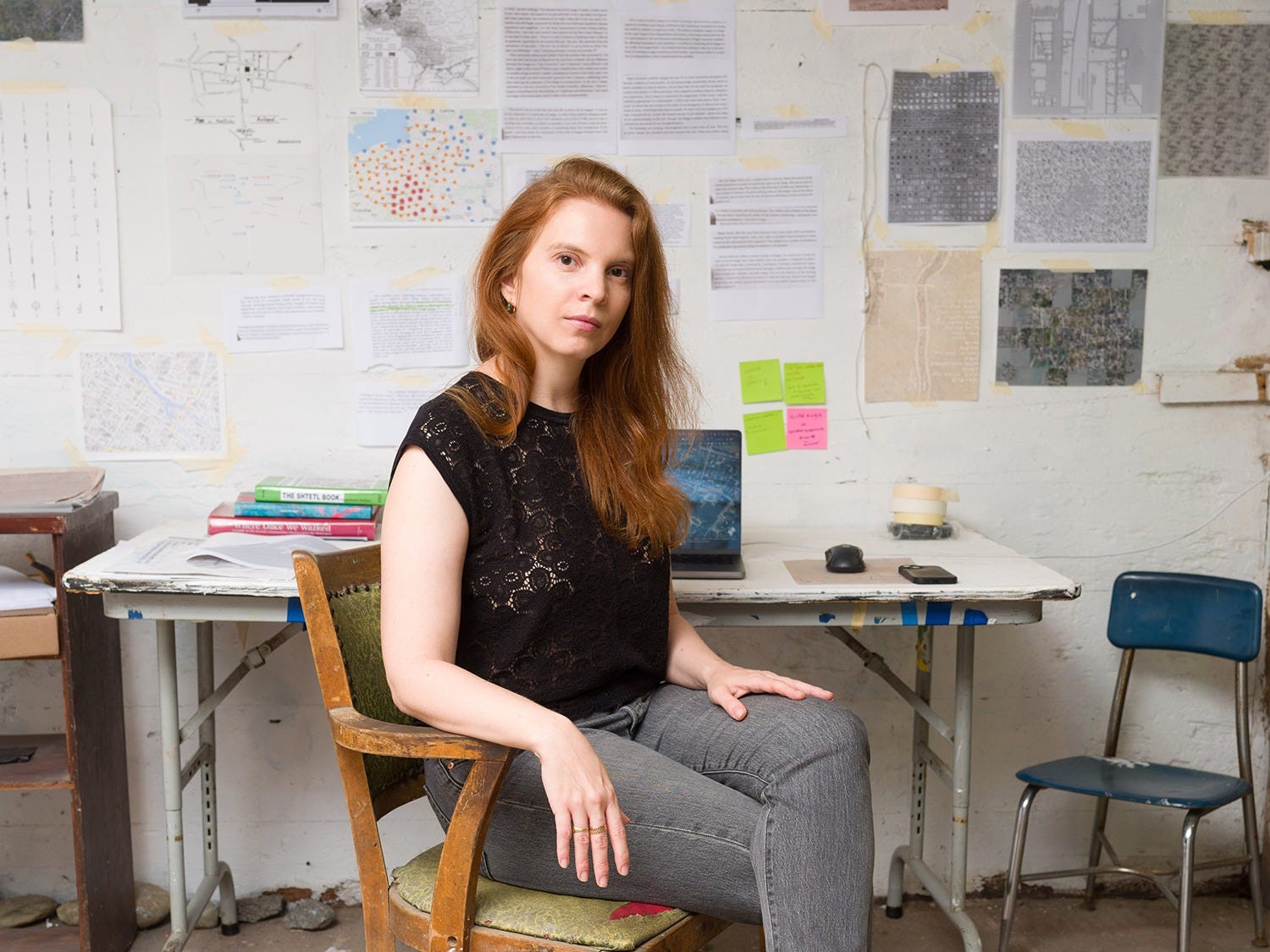
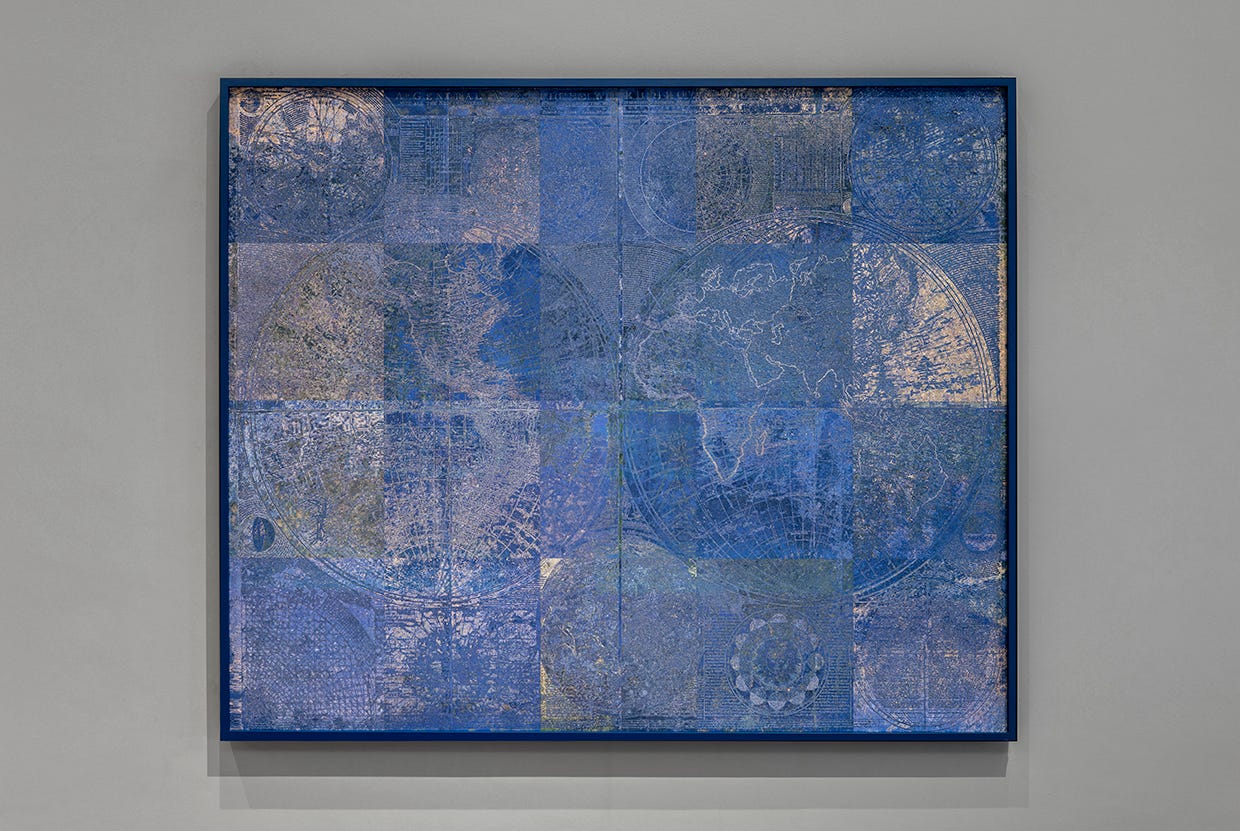
Liliana Farber is an Uruguayan-born, New York-based, visual artist. Through research-based processes and using digital strategies, Farber creates still and moving images, installations, and web-based works. These investigate notions of land imaginaries, unmappable spaces, utopias, and techno-colonialism. She uses timestamps, geolocation points, satellite imagery, antique maps, and literature as raw materials for minimal pieces that reflect on the human experience of living within global scale infrastructures and colossal amounts of data. As a third-generation holocaust survivor, Farber’s intergenerational trauma inspires her practice. There is a sense of the incomplete and illegible in her work. Her pieces are abstract data visualizations that contrast the sense of being lost or disconnected in a hyper mapped and connected world.
Website: www.lilianafarber.com
Instagram: www.instagram.com/lilianafarber
Liliana Farber was recommended by Johanna Strobel.

How would you describe your work?
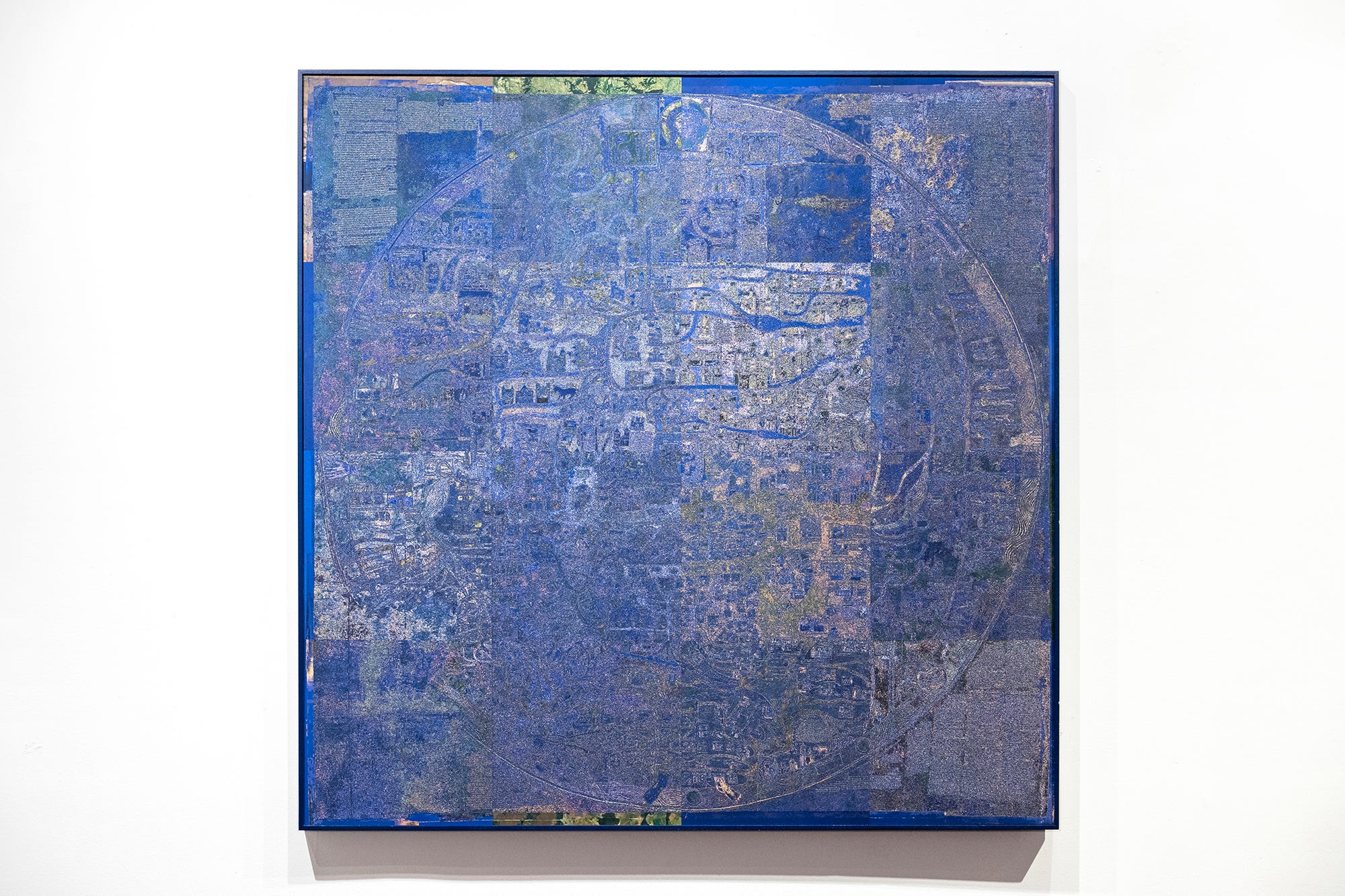
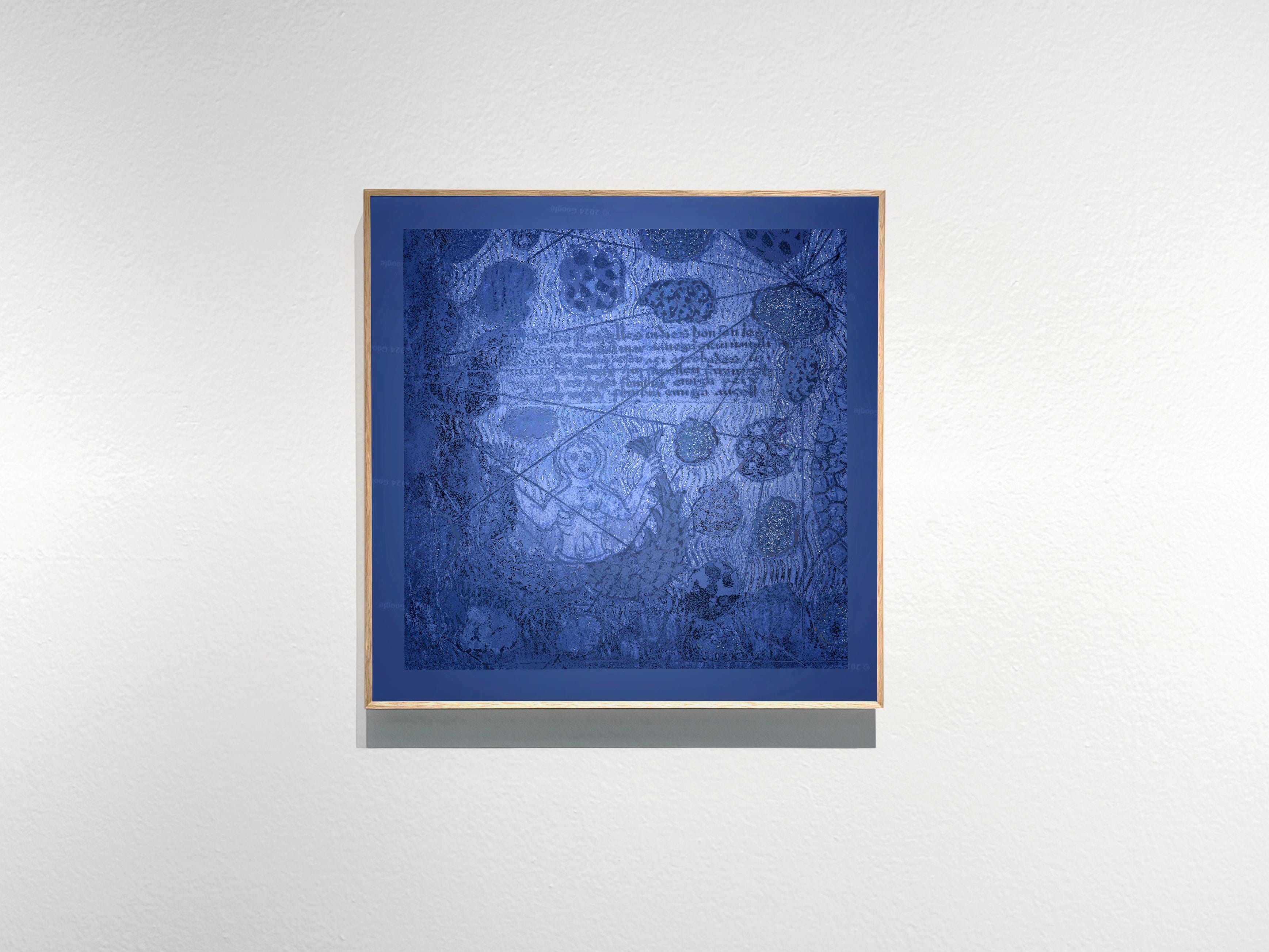
I work with digital tools, archives, and mapping technologies to explore how landscapes, histories, and memories are represented and erased. My projects often begin with historical materials such as old maps, poems, or memorial texts and move through contemporary systems like Google Earth or custom software. I’m interested in how empires, both past and present, visualize the unknown, and in what gets lost, blurred, or distorted in the process.
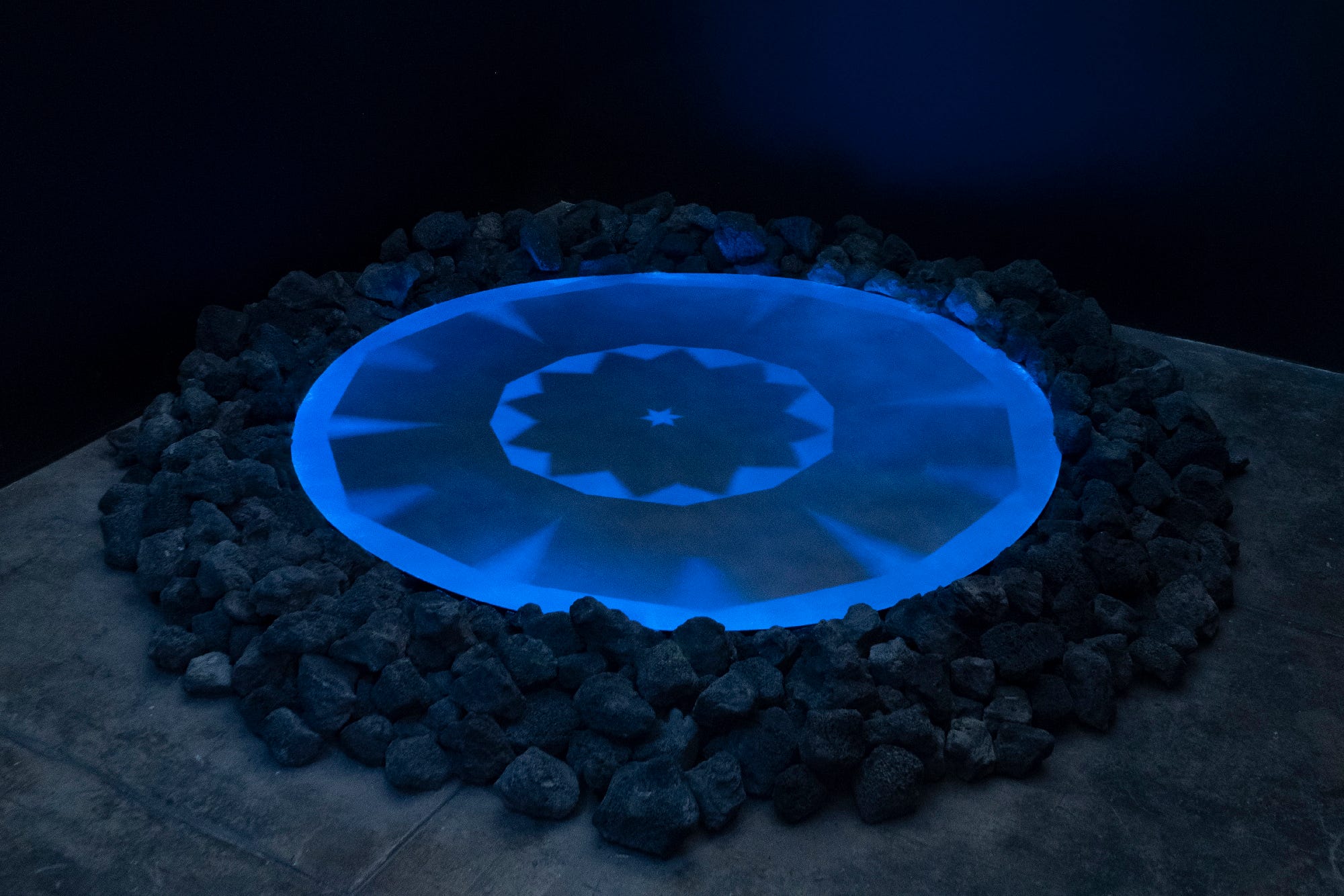
The work takes different forms, including multi-channel video installations, digitally generated images, sound-based pieces, and print works. These formats allow the projects to unfold spatially and over time, inviting viewers to move through fragmented narratives. The work sits somewhere between research and intuition, using technology to imagine connections to places and histories that are no longer fully accessible.
What are you working on right now?
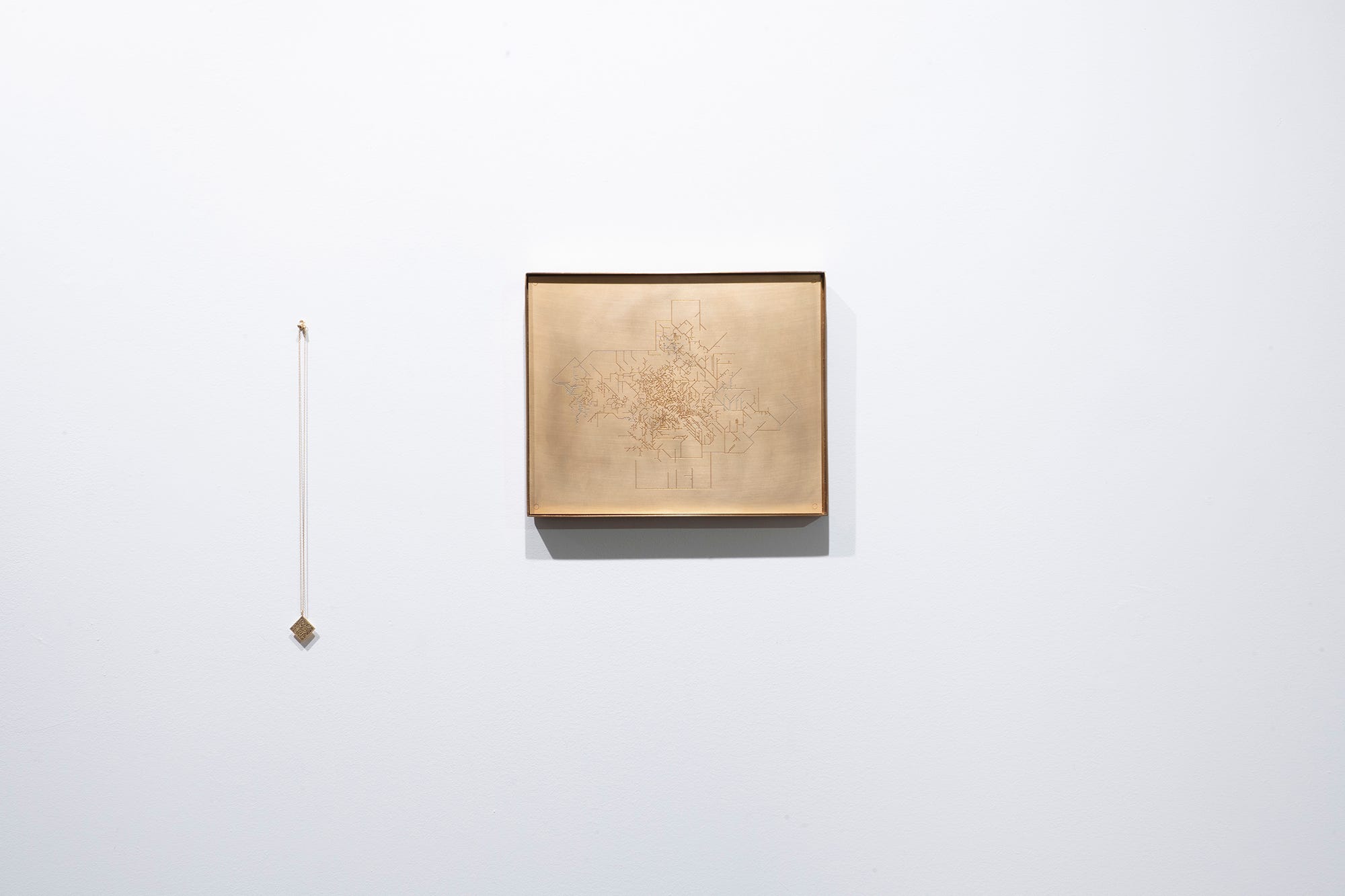
Right now, I’m exploring rivers as sites of memory and transmission. The work draws from Yiddish poems and memorial texts and hand-drawn maps that describe rivers as living presences shaping daily life and collective memory. Using digital mapping tools, I create abstracted river journeys paired with voice and sound, where the landscapes appear fragmented, unstable, and often difficult to fully access. Alongside this, I’m developing print and text-based works that translate these digital environments into physical forms. Across these projects, I’m thinking about how technology can be used not to produce certainty or completeness, but to reflect distance, gaps in knowledge, and the way memory is inherited rather than directly experienced.
What kind of atmosphere do you like when you work? Why?
I like to work in a quiet, focused atmosphere with few interruptions. Most of my process involves long periods of looking, listening, and testing, so I need a space that allows for slowness and attention. At the same time, I don’t need a perfectly controlled studio. I’m comfortable working between physical and digital spaces, sometimes moving between research, writing, and making in the same session. That kind of fluid atmosphere supports the way my work unfolds, gradually and through accumulation rather than through a single decisive gesture.
What are you curious about? What would you like to explore further?
I’m curious about how traces of the past survive in landscapes, texts, and sounds, and how these traces can be discovered, layered, or imagined. I’m interested in how natural spaces can carry memories, and how historical documents, poems, or archival materials can reveal stories that have been partially forgotten or erased. I like to experiment with digital tools to trace patterns, uncover hidden connections, or surface absences that are not immediately visible. I’m fascinated by the tension between what can be seen, heard, or measured, and what remains intangible, imagined, or partially lost.
Where are you based and what do you like about the local art scene?
I’m based in New York. I love that the city is a true melting pot, with different languages, cultures, and histories constantly overlapping. As someone with a Latin and Jewish background, that mix feels very natural to me, both in life and in my work. The art scene reflects that diversity. There’s always so much to see, and so many different voices and approaches in conversation with each other, which makes the city feel energizing and alive.