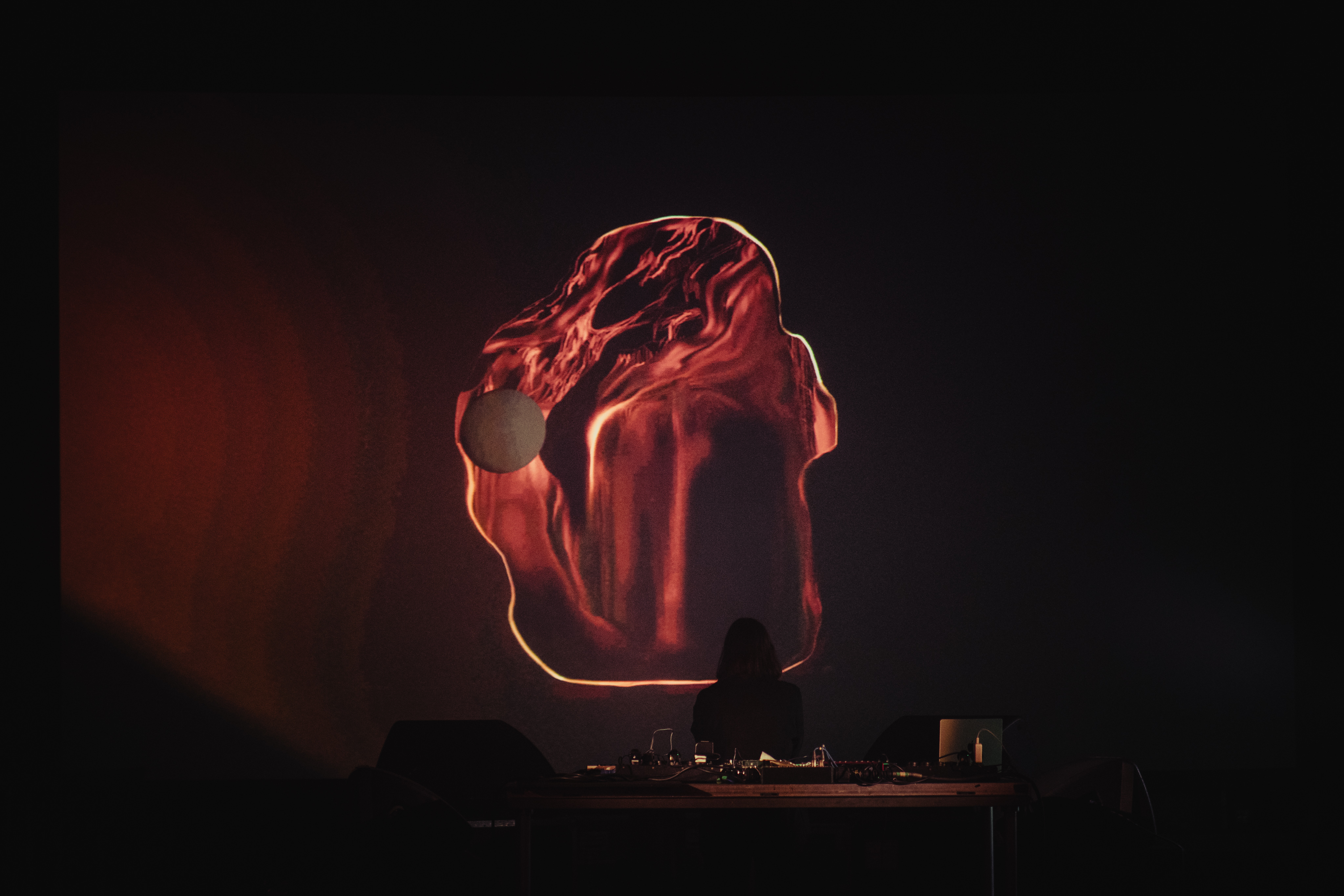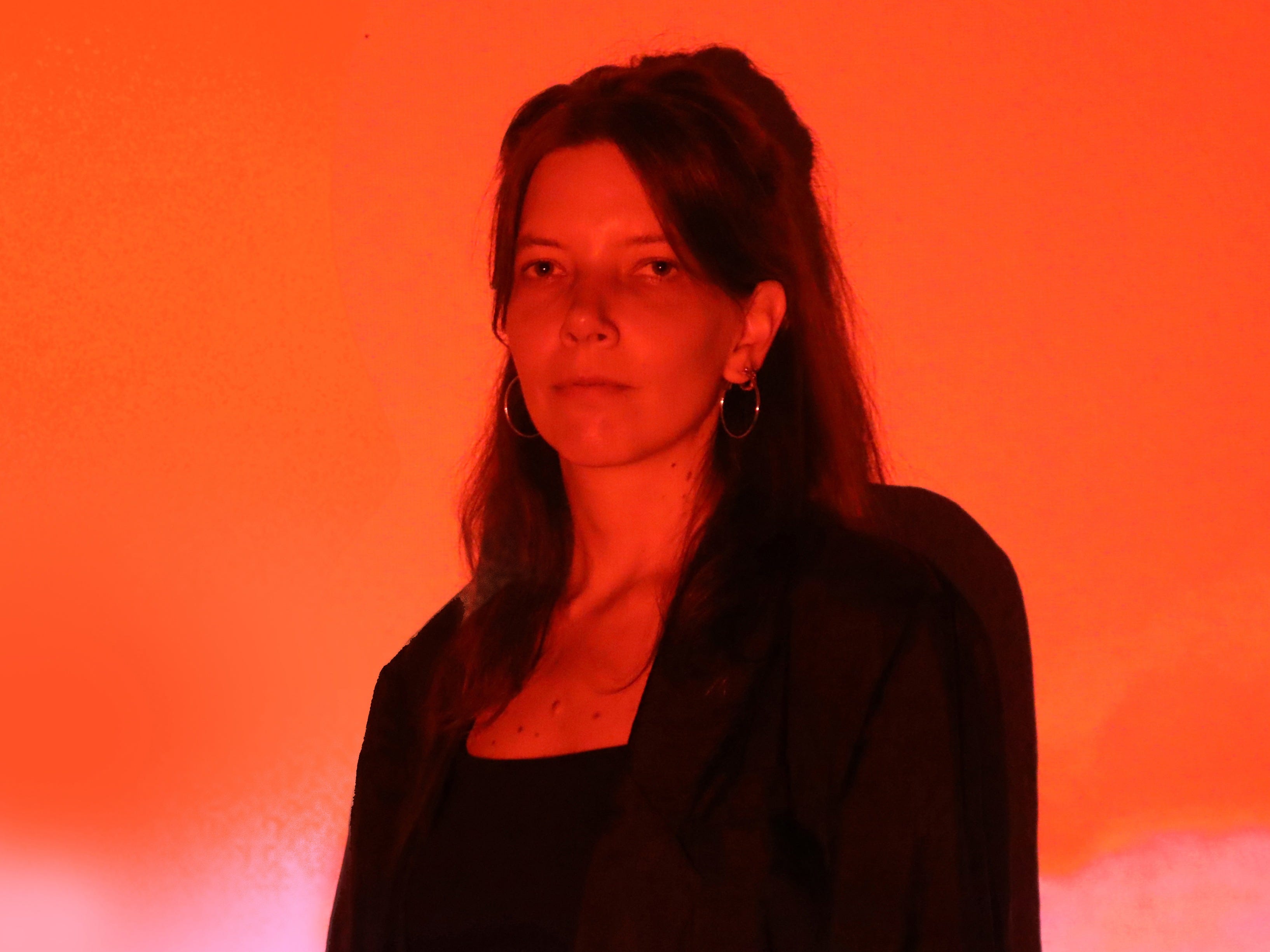
Bori Mákó is a media artist based in Budapest and a fourth-year doctoral student at Moholy-Nagy University of Art and Design (MOME, Budapest, Hungary). In her research, she explores animated painting as a new hybrid medium that combines painting, animation, and environmental psychology. Her work ranges from site-specific, immersive video-installations, audiovisual performances to digital paintings and zines. In her creative practice, she works with the temporal extension of movement, using repetitive, intertwined, extremely slowed-down gestures accompanied by experimental electronic drone music. Her latest works shed light on the social mechanisms that force us to hide our true feelings, while questioning the boundaries of personal vulnerability and social expectations.
Instagram: www.instagram.com/bori_mako/
Bori Mákó was recommended by Martha Kicsiny (click here to read the interview with Martha Kicsiny).
What guides your artistic research?
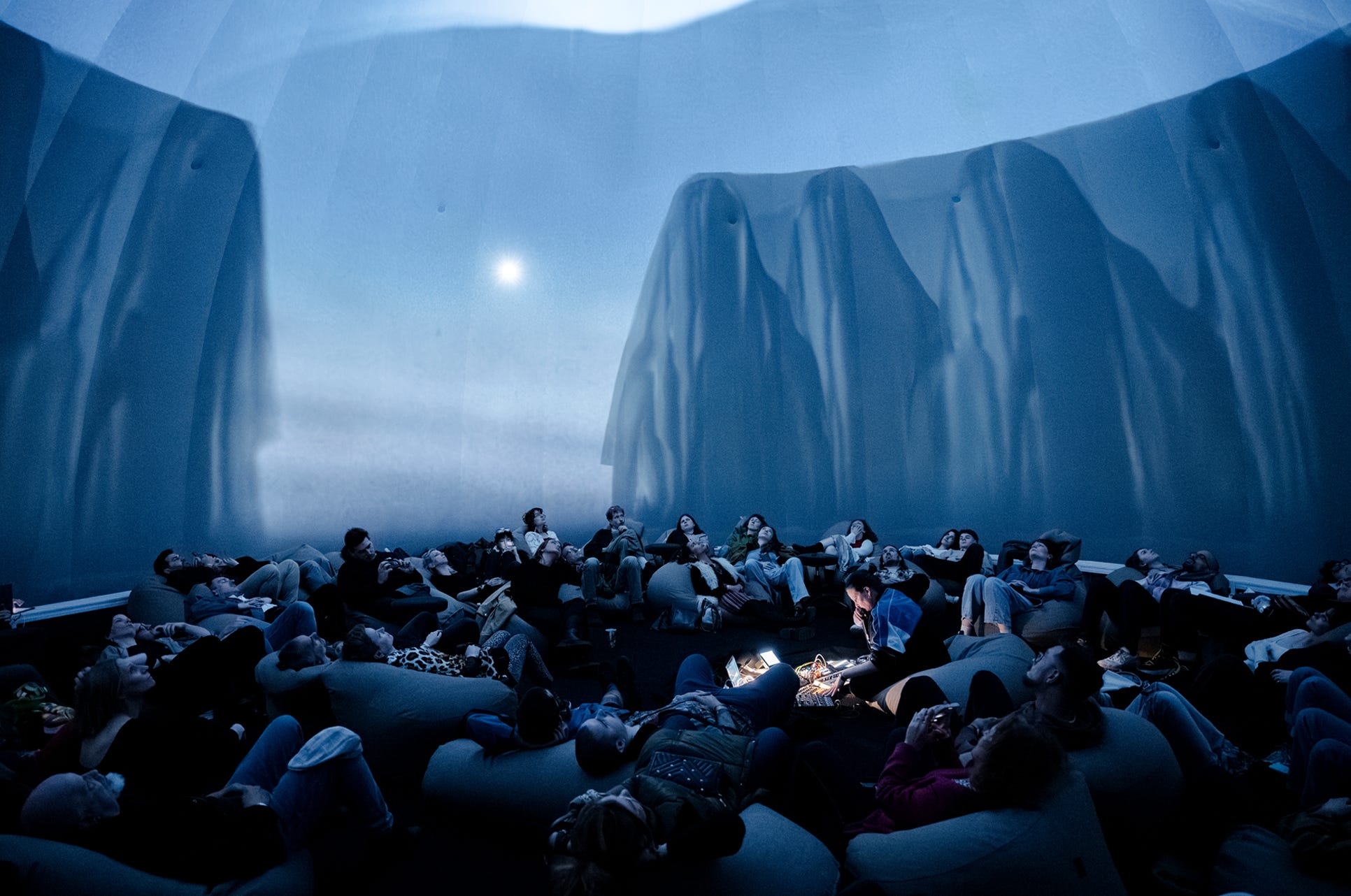
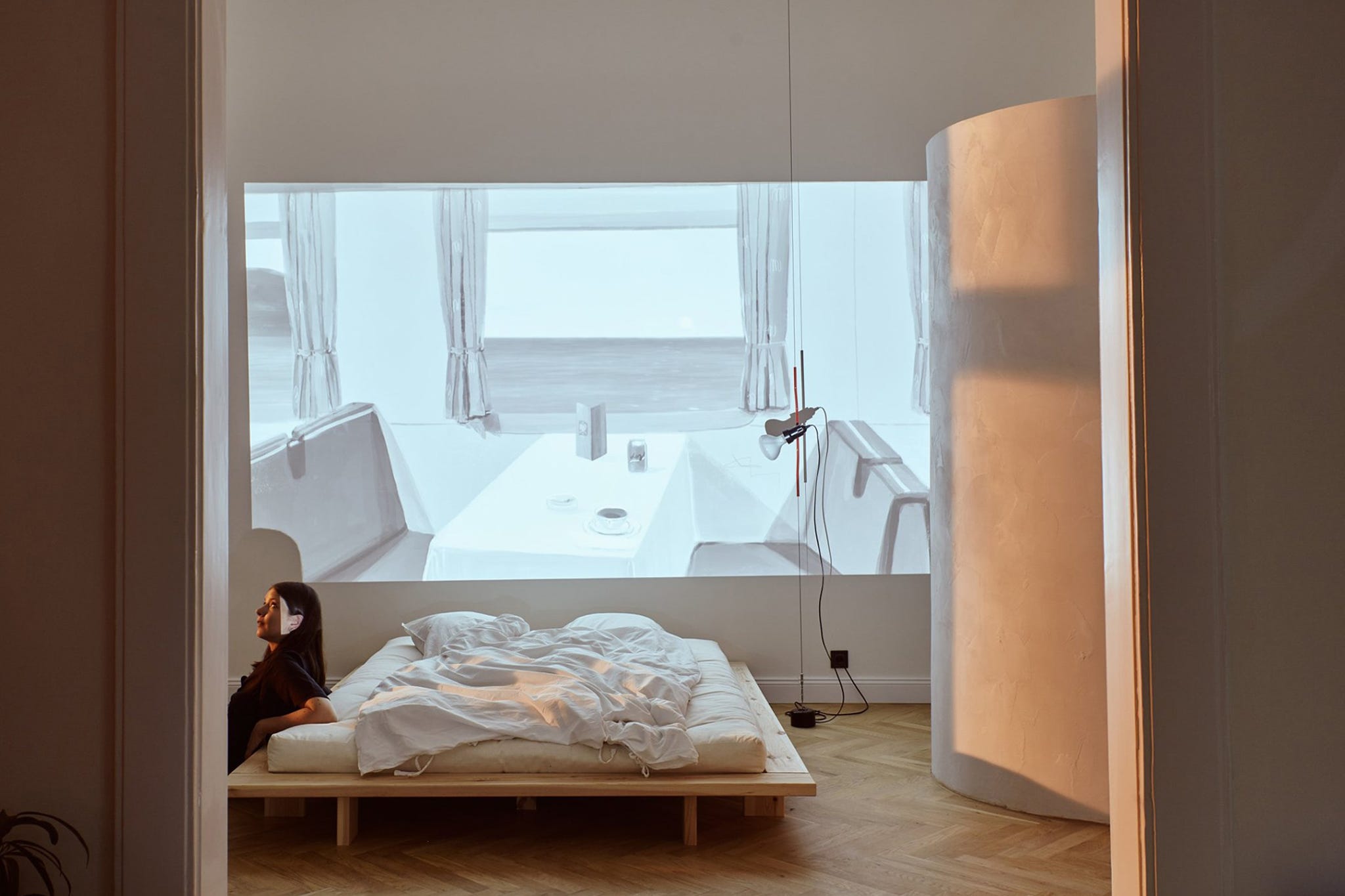
My artistic practice and research topic complement each other and are closely intertwined, which I consider a fortunate combination. In my installations, I focus on questions of temporality and reception, with particular emphasis on how animated painting differs from traditional film narratives and the new perceptual possibilities it offers. Just as the development of monitors and handheld cameras in the 1960s led to the emergence of video installation and a radically new way of seeing, the introduction of projectors and advances in computer technology in the late 1980s brought about an equally significant shift in the visual arts. These developments blurred the boundaries of traditional art forms, creating space for works with a unique aesthetic and viewer experience.


What are you working on right now?
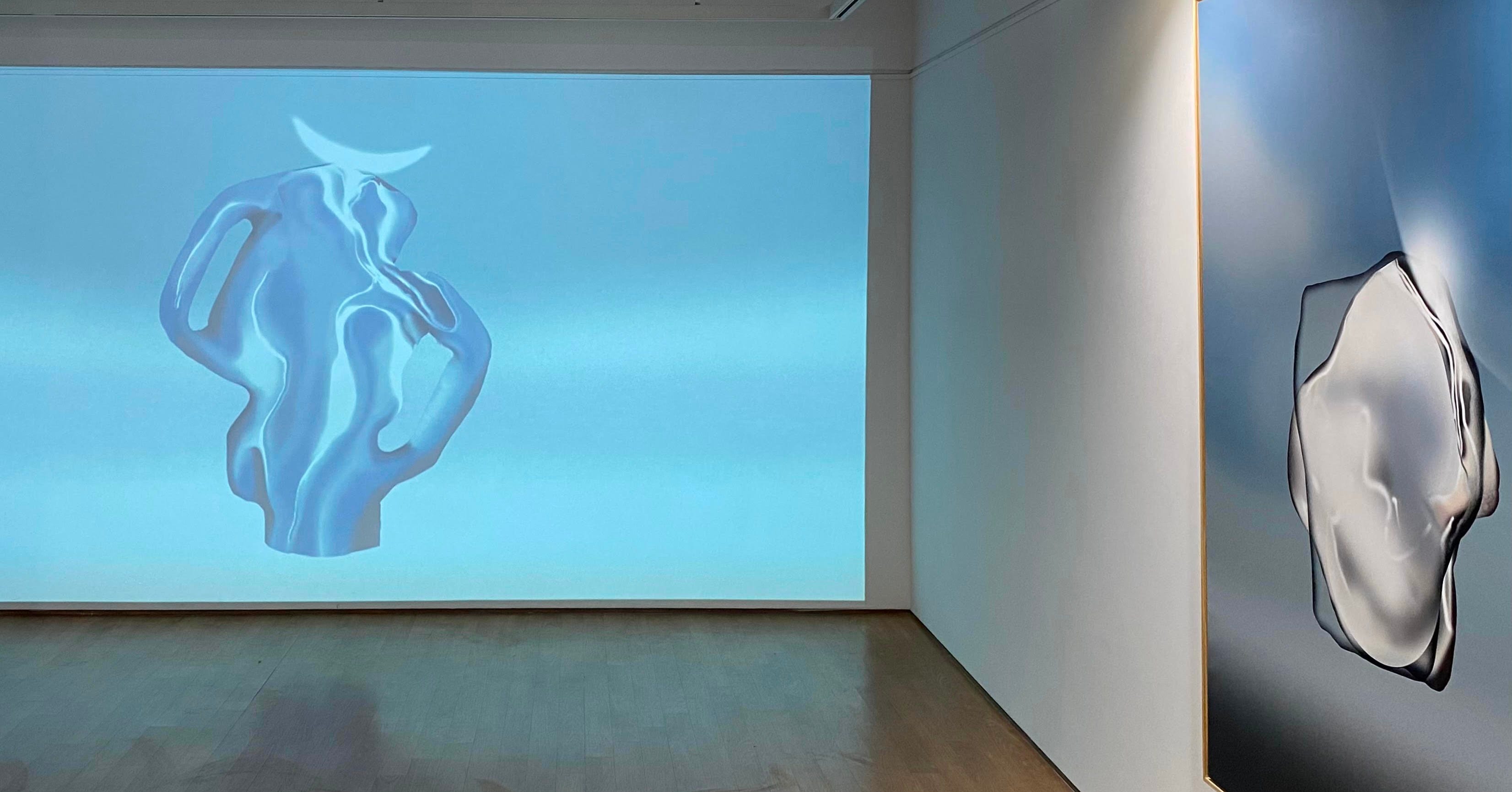
I am nearing the end of my doctoral studies and am currently developing my final doctoral project, which will take the form of an exhibition. I am creating a large scale, site-specific installation scheduled for fall 2026. The project takes the form of a multi-channel video installation through which I aim to construct a mythical, conceptual landscape. My research explores how individual practices of concealment can become a collective experience, and which aesthetic and dramaturgical strategies can make this perceptible to the viewer. The installation seeks to activate local experience and emotional engagement as a reconfigurable communal state.
When you feel stuck, how do you get un-stuck?
I mostly work in front of a monitor, so when I get stuck, my first instinct is movement—nature, or anything that pulls me out of a narrow state of mind and beyond the four walls. I go for walks, ride my bike, or spend time in nature. I grew up by a river, and water has a very calming effect on me; it immediately gives me a broader perspective. Sometimes I simply listen in silence, or I put on music—classical, rap, or whatever I’m currently drawn to—often on repeat. If nothing else helps, I call one of my sisters. There are four of us, and we are all involved in the arts. They work in music, while I work in animation, and they are a constant source of inspiration for me.


What inspired you recently?
In April, I spent a week in Berlin and took a day to visit museums on my own. At the Hamburger Bahnhof, Klára Hosnedlová’s site-specific installation and large-scale sculptures completely captivated me. The work felt both oppressive and strangely comforting at the same time—the way she engaged with the space, the scale she works in, the atmosphere, the utopian yet traditional motifs evoking a distant past, and the sound design all contributed to this effect. I was also glad to experience the exhibition alone; I feel it had a much stronger impact on me than it would have if I had shared the experience with someone else.
What makes an artwork “good” in your opinion?
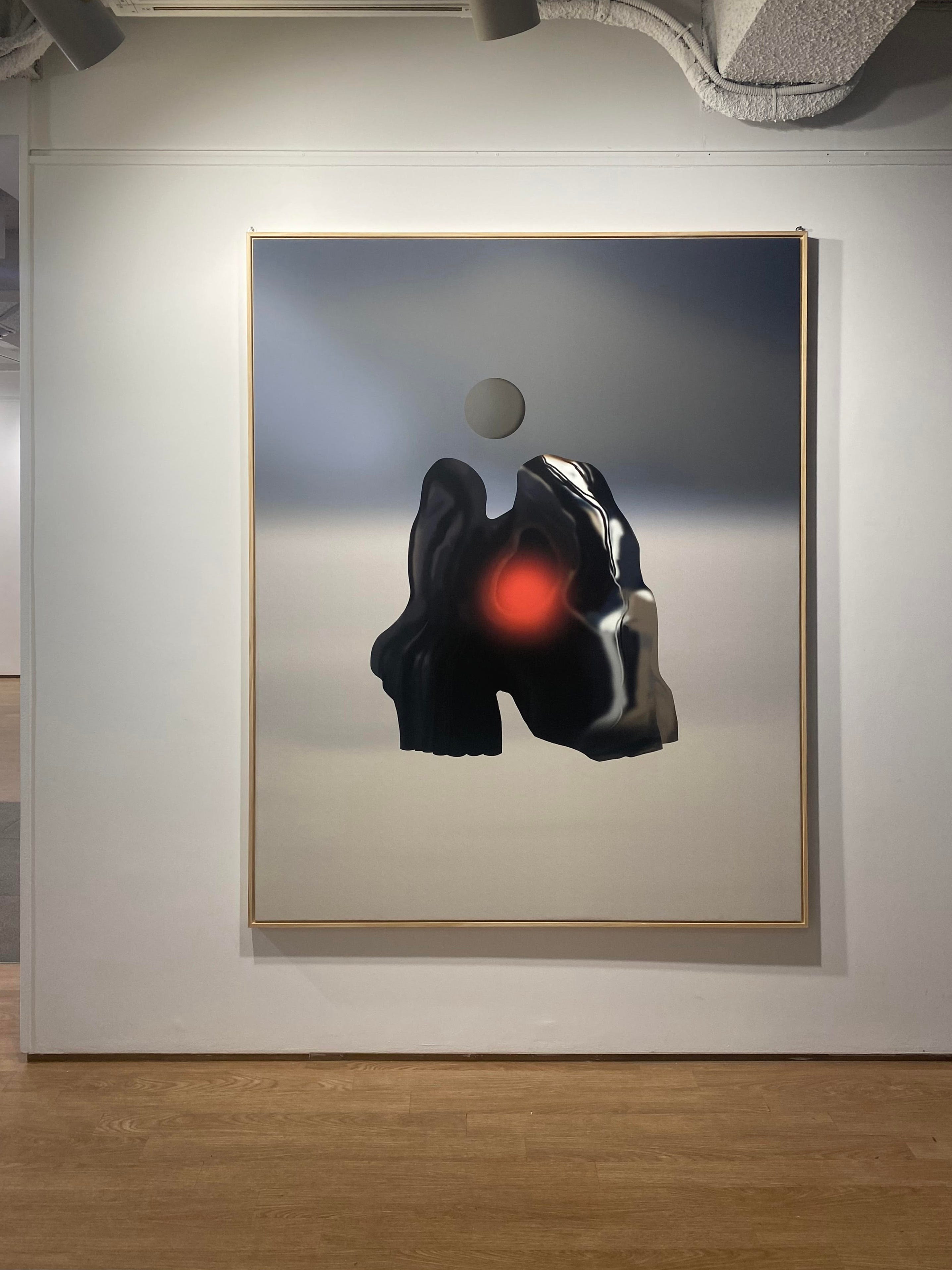
I am drawn to work that can shake me out of my own bubble and offer a perspective different from my own. I am always curious about what people are immersed in, what interests them, and how they communicate this through different media. If a work of art evokes strong emotions in me, that is already meaningful. But if I find myself returning to it in my thoughts and forming a deeper connection with it over time, then I feel I truly gain something from it.