Poppy Cauchi
Interview with the sculptor from Liverpool, based in London, United Kingdom. She uses skin-like materials like silicone and latex to sculpt surfaces that oscillate between attraction and discomfort.
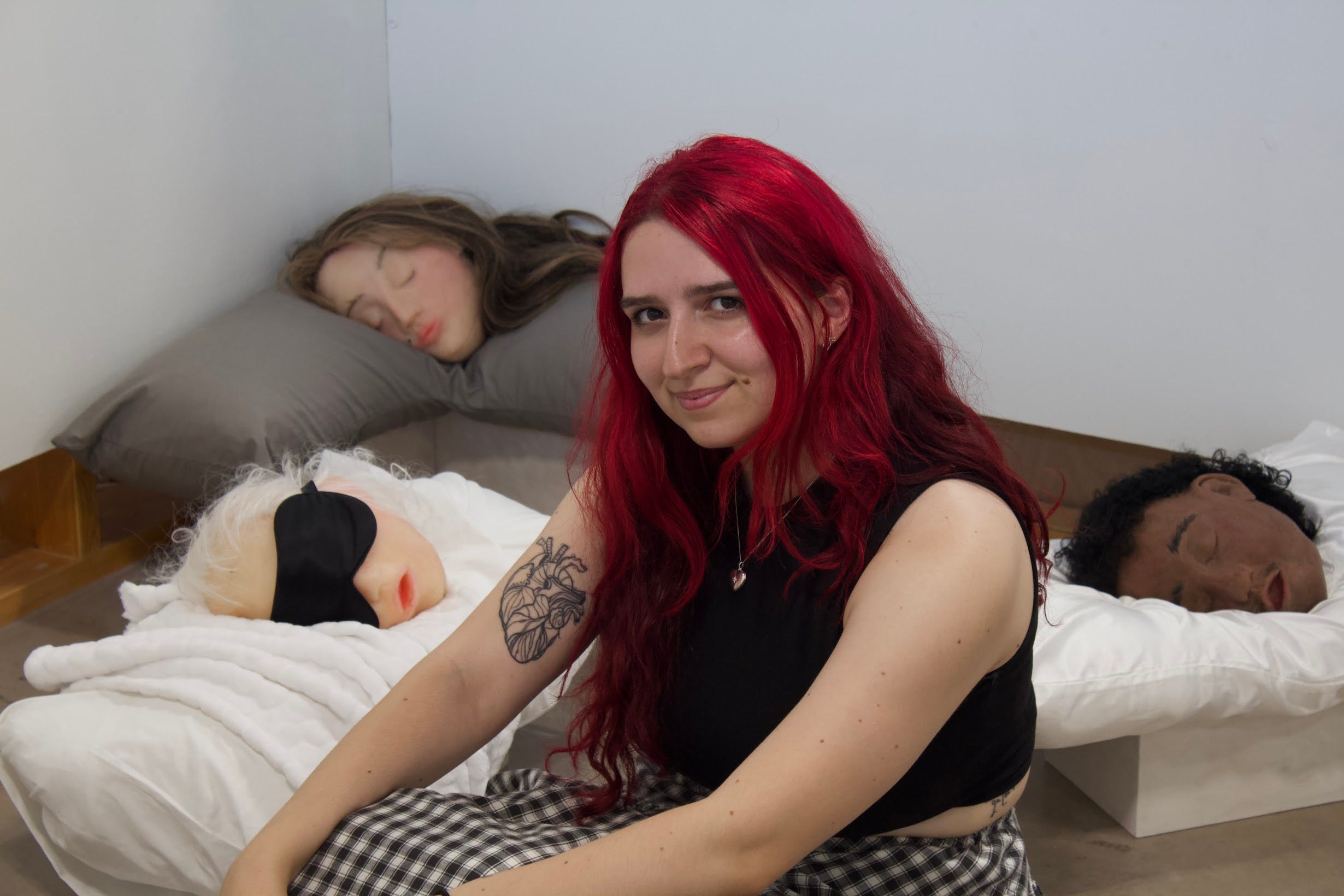
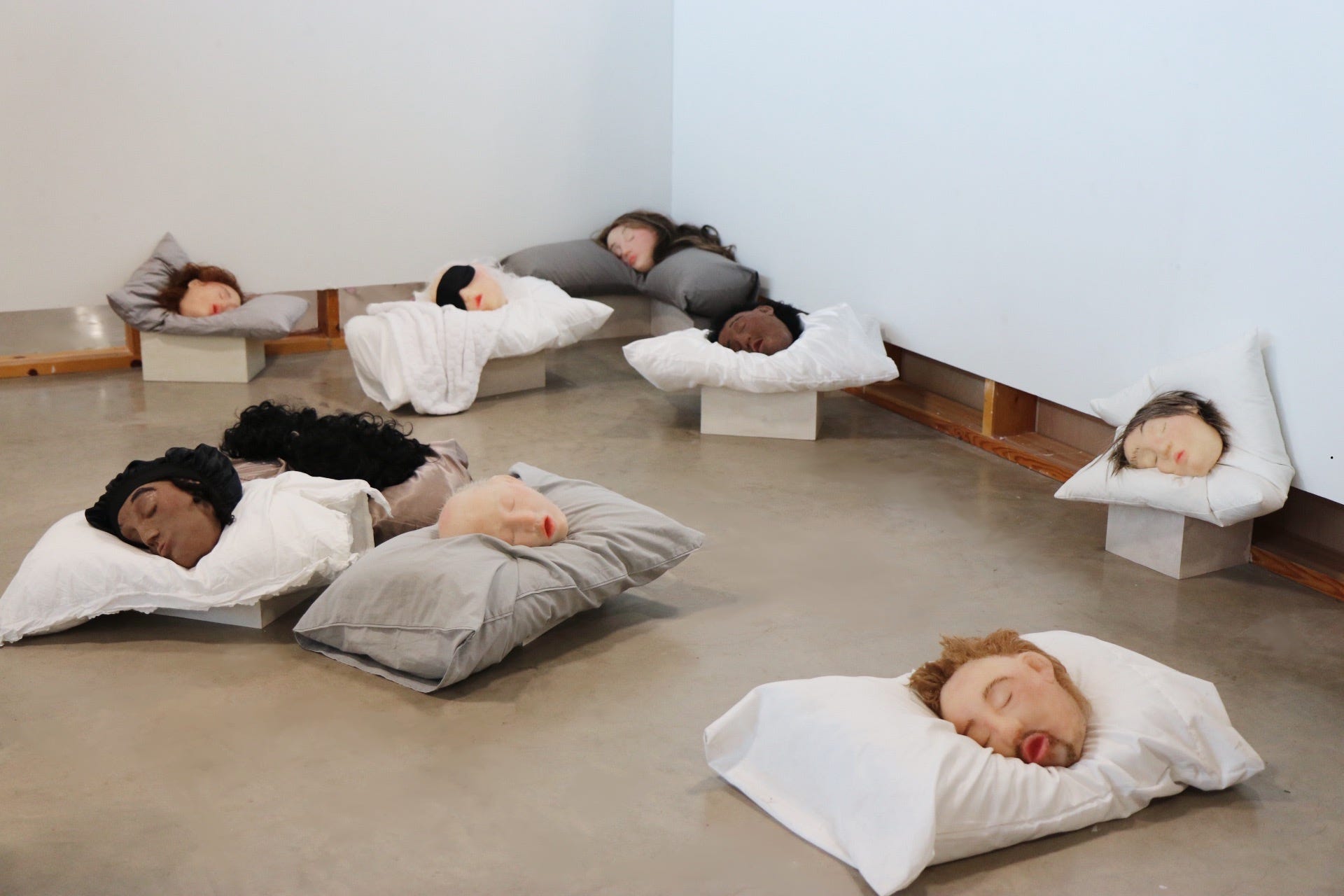
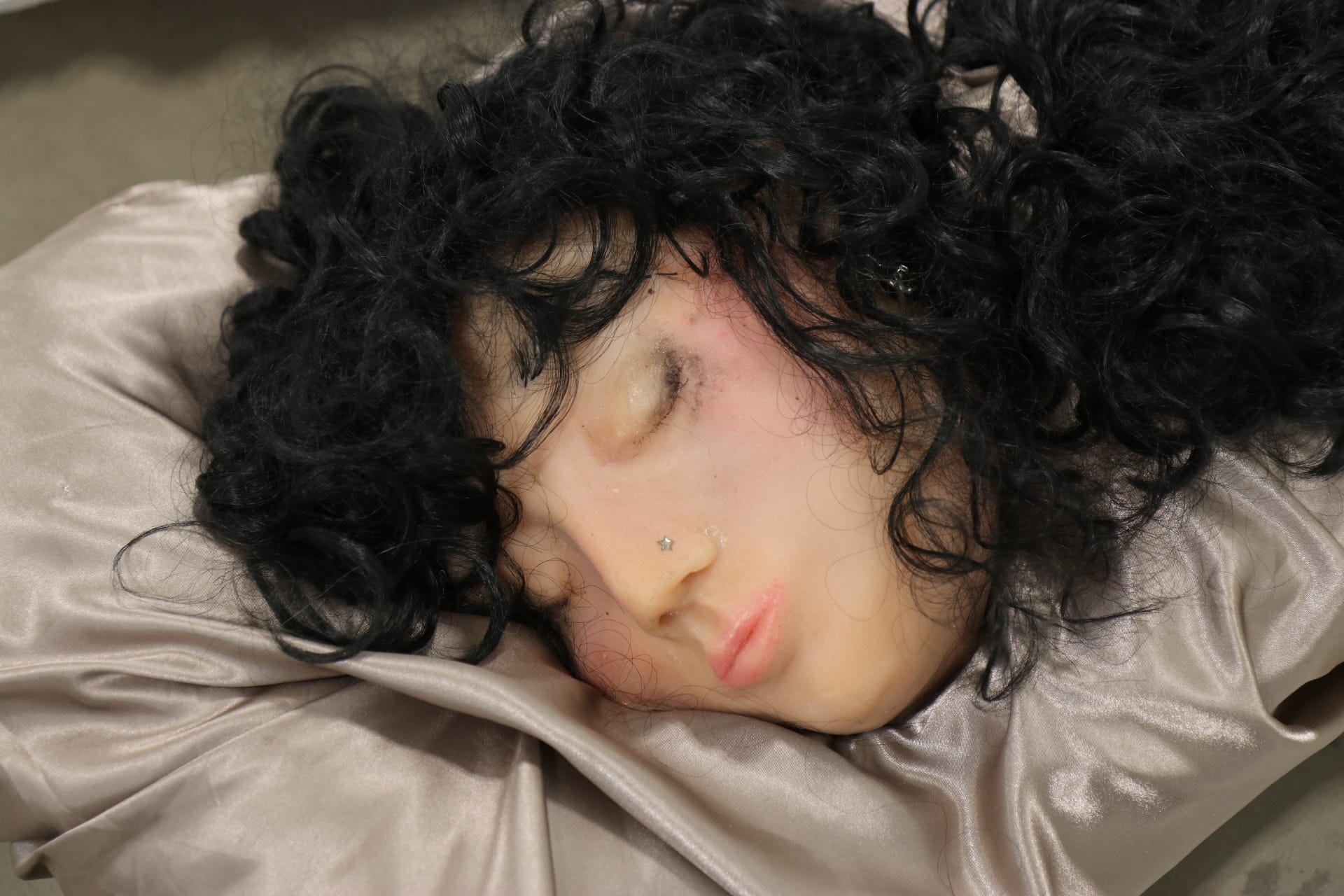
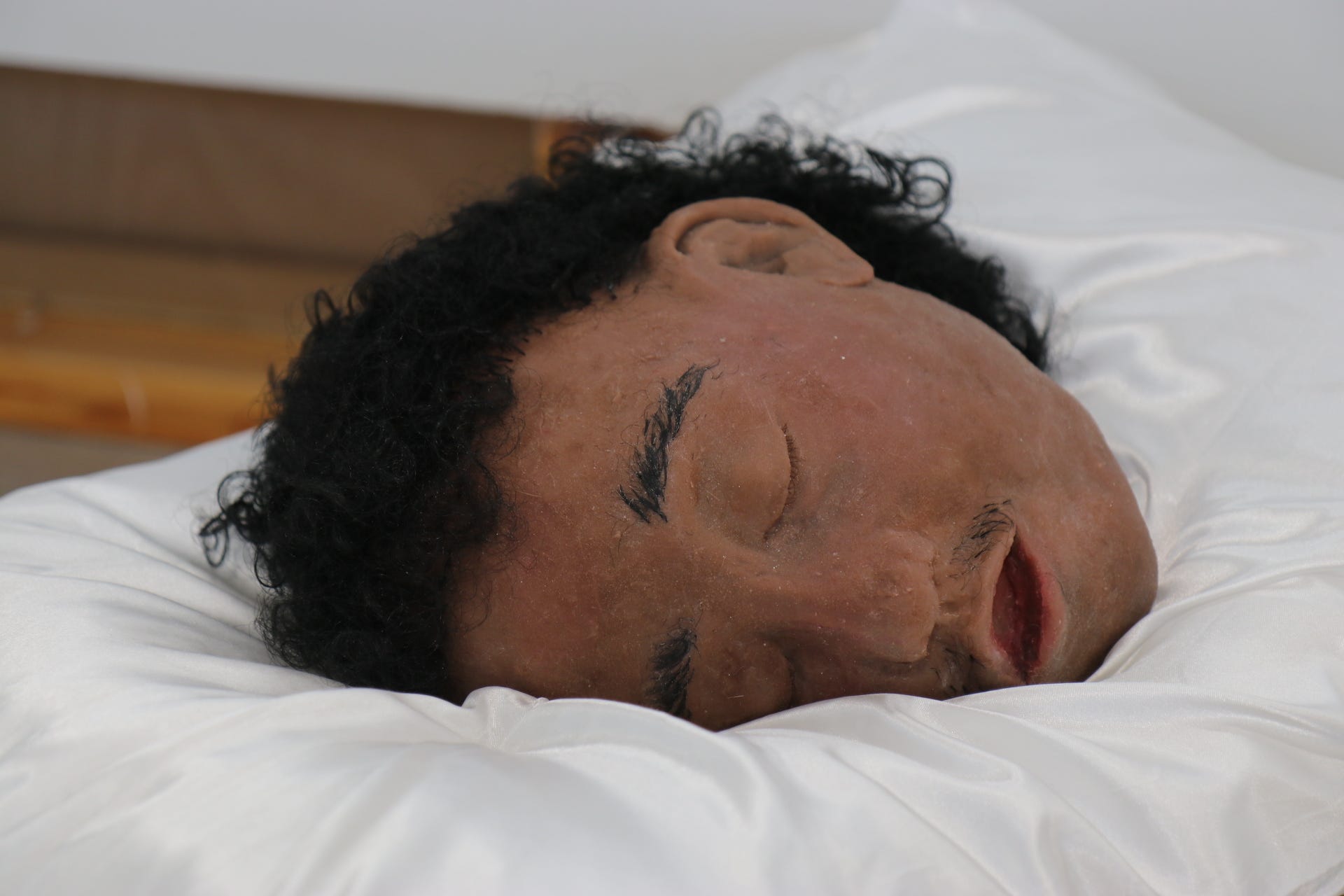
Poppy Cauchi (*2003) is a sculptor from Liverpool, living in London, whose practice transforms the quiet rituals of daily life and the invisible weight of psychological survival into tactile, emotionally charged forms. At the heart of her work is the tension between appearance and sensation. Cauchi uses skin-like materials such as silicone and latex to sculpt uncanny surfaces that oscillate between attraction and discomfort. These tactile forms often reference domestic objects : pillows, beds, limbs, fractured or reassembled in ways that evoke fragmented memory and identity. Through mould-making, hair punching, and intricate detailing, she visualises the subtle violence of everyday existence, where inner experience is carefully hidden beneath polished surfaces.
Website: www.poppycauchi.com
Instagram: www.instagram.com/poppycauchi
Poppy Cauchi was recommended by Annie Edwards.

How would you describe your artwork?
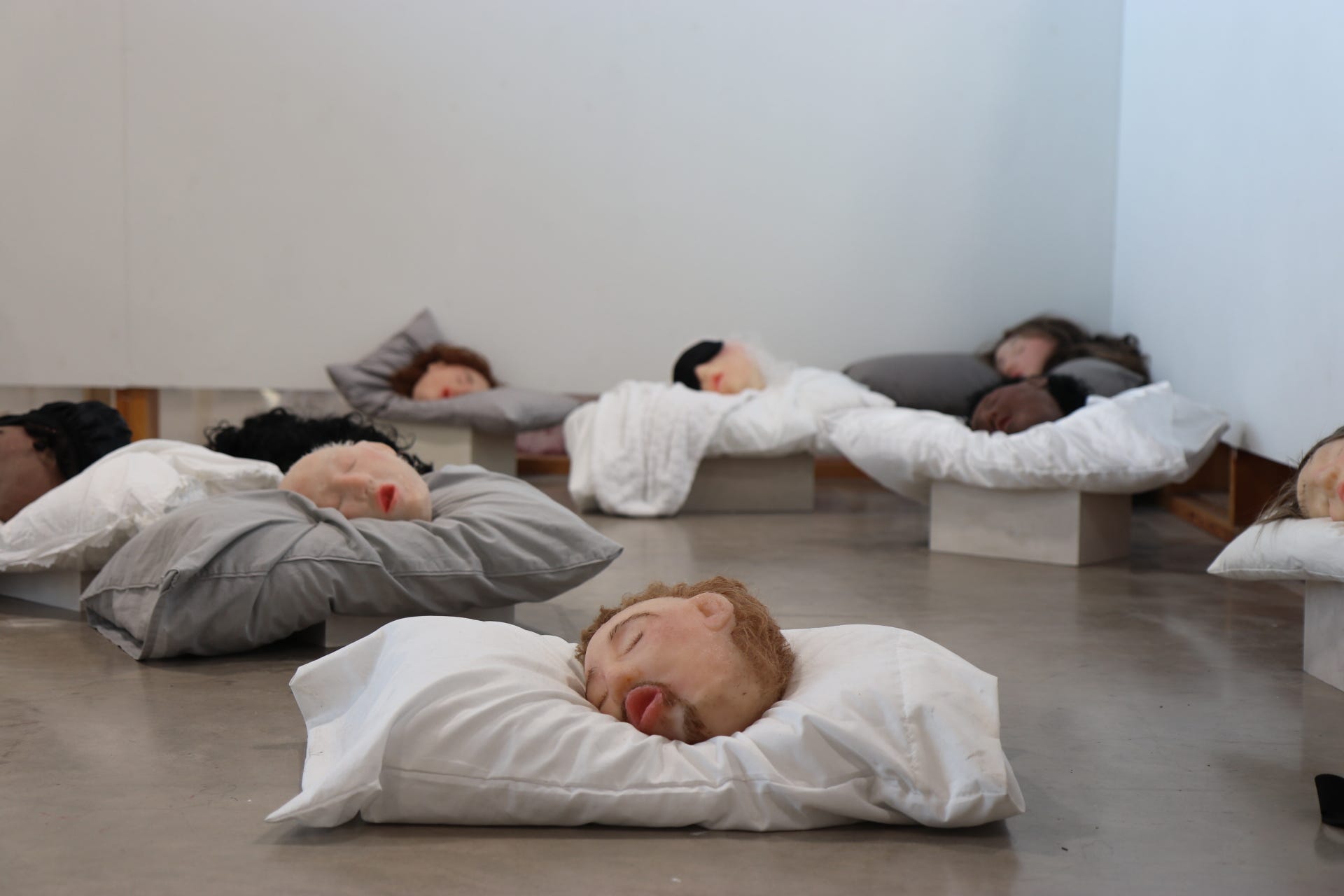
My work looks at how trauma shows up beyond the individual, in objects, spaces, and systems we move through every day. I’m interested in the ways difficult experiences get managed, hidden, or flattened over time, and how that affects how we relate to ourselves and others. Sculpture lets me slow those processes down and make space for things that are messy, unresolved, or hard to sit with.
What drives you to do what you do?
I’m driven by a need to confront experiences that are often fragmented, dehumanised, or forced into tidy narratives. Making work becomes a way of resisting that compression, of insisting on complexity, contradiction, and emotional truth. There’s also a strong ethical motivation in my practice: to acknowledge experiences that are frequently silenced or retraumatised by the very systems meant to offer support, and to create work that validates those realities without sensationalising them.


What kind of atmosphere do you like when you work? Why?
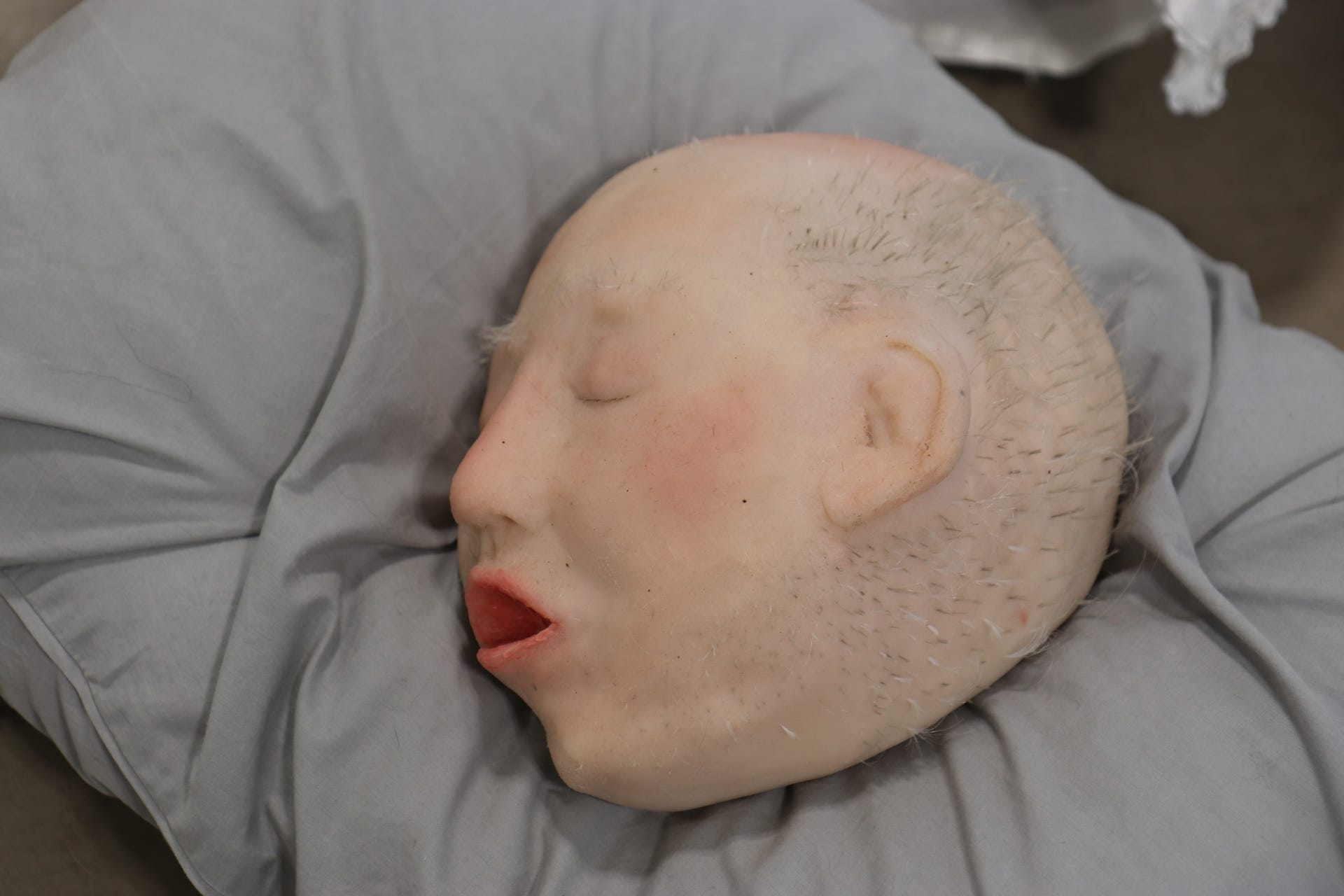
I need a studio atmosphere that lets me move between focus and instinct. Some parts of my process are slow and methodical, while others are much more intuitive and reactive. Having space to shift between those modes is important to me, because the work itself sits in that in-between, somewhere between control and loss of it. I usually have my headphones on and work with intense focus, particularly when I’m adding details that aren’t immediately visible.
What inspired you recently?
Recently, I’ve been thinking a lot about rest and vigilance about how hard it can be to properly switch off after trauma. Conversations around sleep, recovery, and long-term stress have been really influential, especially hearing how differently people experience safety and rest.
Alongside that, my ongoing activism around non-contact abuse and cyber-crime continues to shape the work. It’s made me think more critically about visibility, belief, and control, and about how bodies are monitored, questioned, or dismissed. Those concerns sit quietly underneath everything I’m making at the moment.
Where are you based and what do you like about the local art scene?
I’m currently based in London and recently completed my MA in Sculpture at the Royal College of Art. What I value most about the local art scene is its openness to experimentation. There’s a strong culture of dialogue, critique, and risk-taking. Being surrounded by artists working across disciplines has been hugely formative, especially in a city where institutional spaces and grassroots scenes exist side by side.