Evie Yussuf
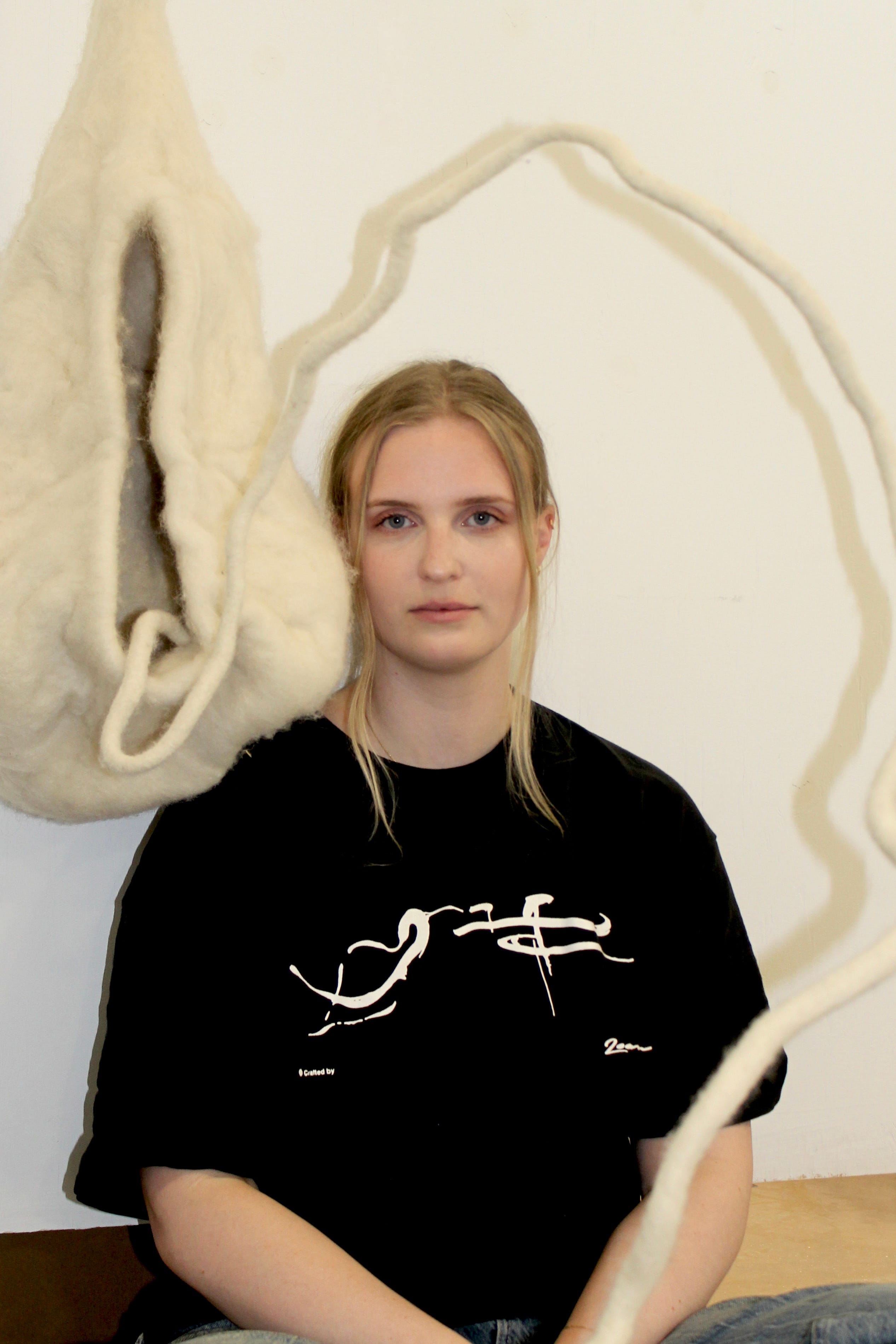
Interview with the artist based in London and Kent, England. Through sculpture and painting, she explores the unknown as it relates to the microscopic, the imagined and the ephemeral.
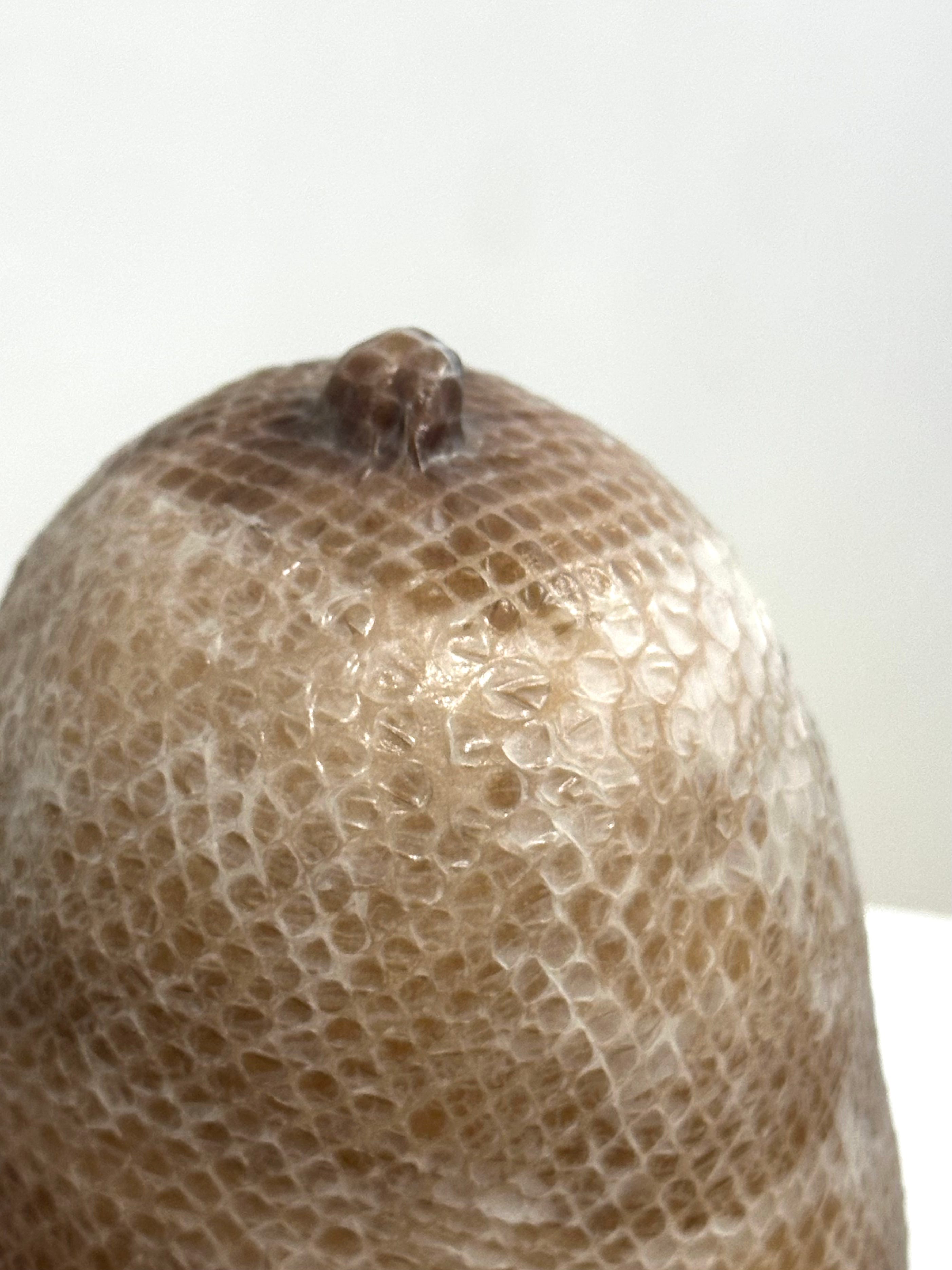
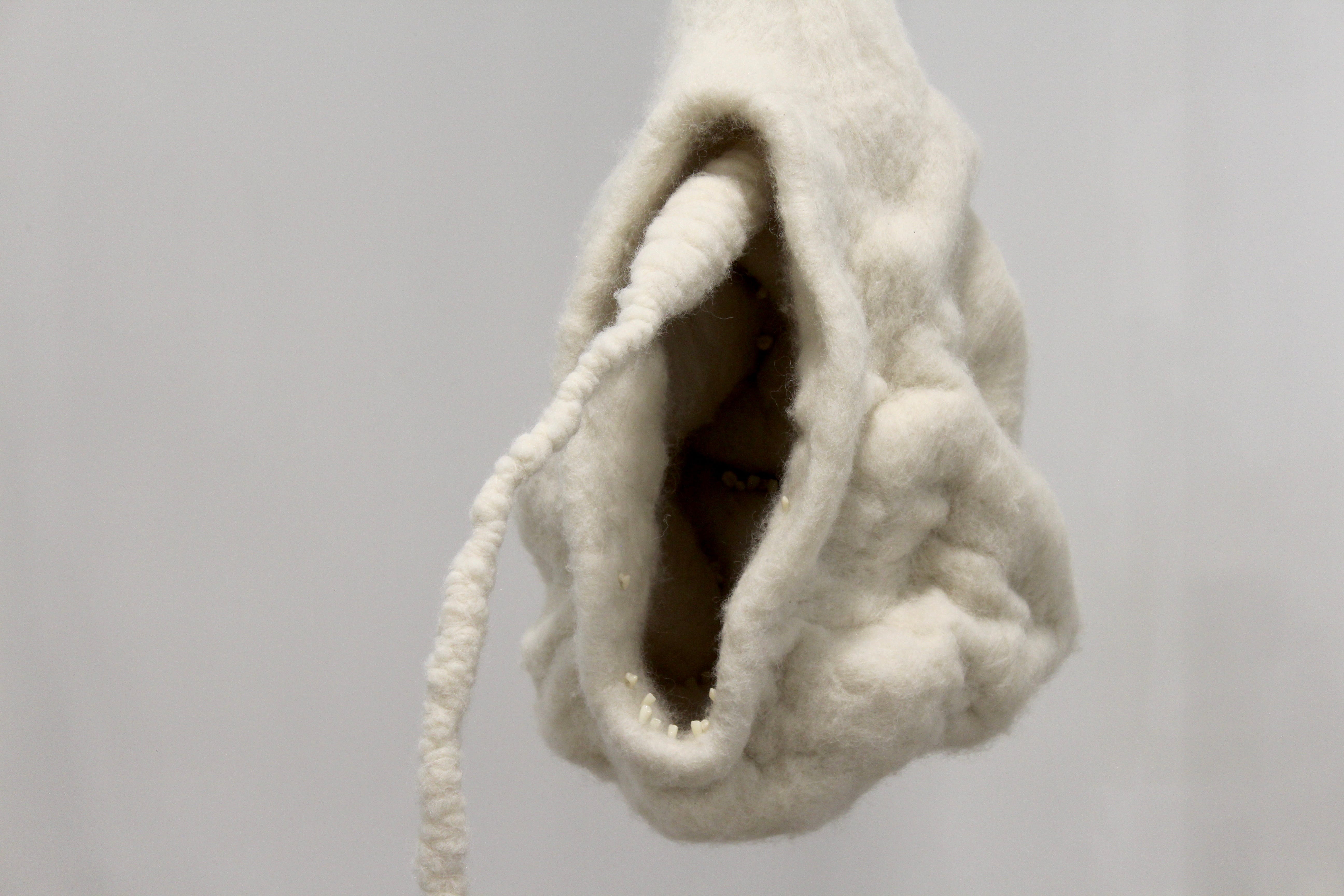
Evie is interested in the idea of life as a philosophical concept. Her work is situated in the state of suspended vitality, the in-between of life and death. Through sculpture and painting, she explores the unknown as it relates to the microscopic, the imagined and the ephemeral. Bodily autonomy, medical trauma and the gendered expectations of reproduction within society are subjects that Evie often explores through embodied and domestic practices and techniques. Evie’s work interrogates recent rulings on reproductive rights relating to termination and discusses gender rights as a catalyst for contemporary, feminist ideology.
Website: www.evieyussuf.com
Instagram: www.instagram.com/evieyussuf
Evie Yussuf was recommended by Annie Edwards and by Poppy Cauchi.

https://www.remagazine.art/p/poppy-cauchi


What guides your artistic research?
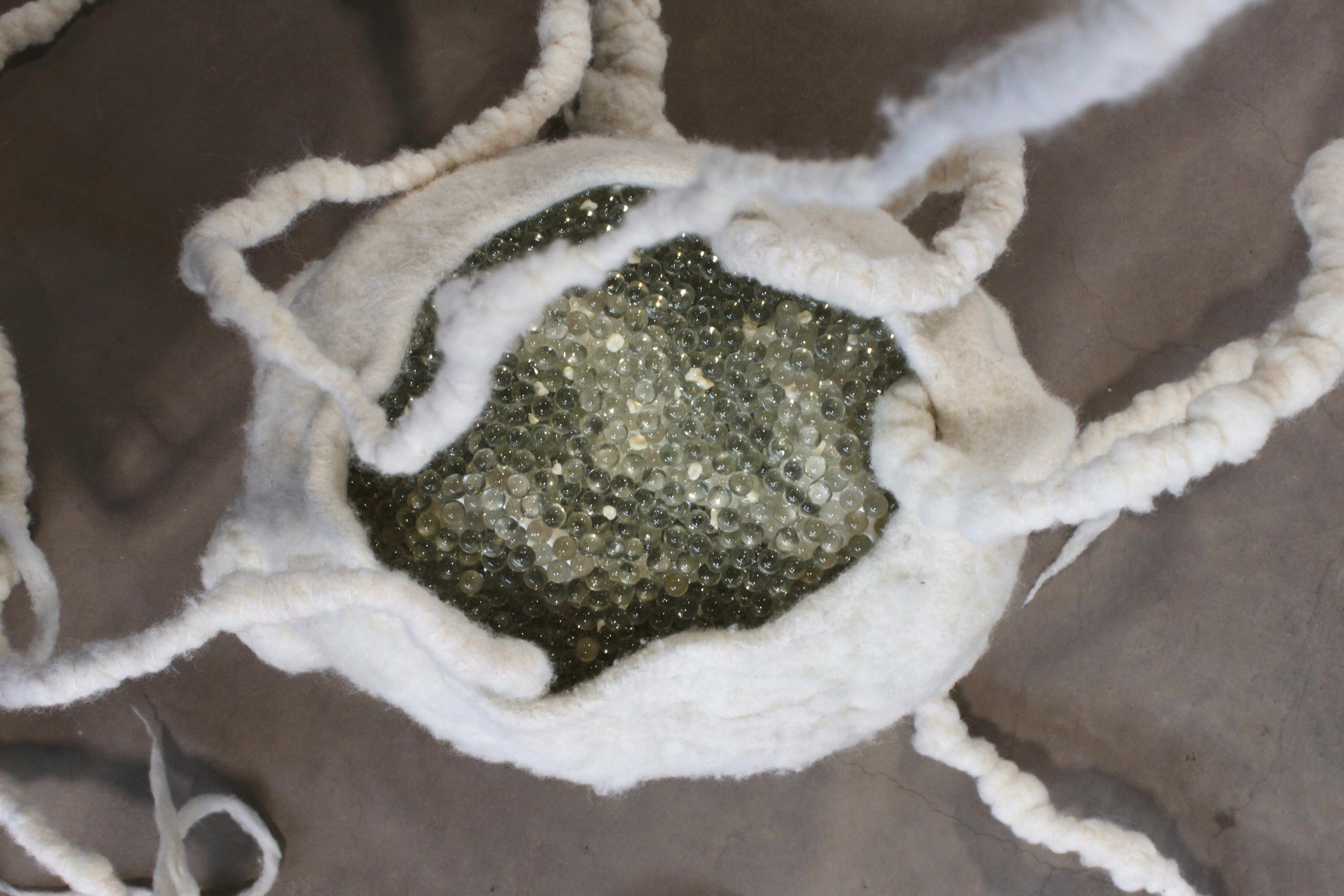
My research is guided by curiosities. These are usually generated by my daily experiences of life, what I am reading or watching or the art I have been looking at. A large part of my research takes place in museums and archives, where I draw and sketch to create a library of images that I can reference when I am in the studio. I let my intuition guide me to find objects or ideas that fuel that curiosity and I follow that thread until a common theme appears, which I expand on through making work. I am a generally inquisitive person and have a tendency to over research or become overwhelmed by the amount of information, so my studio practice has become a sort of filtration system for ideas. Through the process of making, I sort through these ideas and find the most interesting aspects to push further. There are several sources for finding threads of research in my practice, local folklore, history of medicine, body politics, contemporary feminist theory, gothic culture, the macabre, and the work of other artists.
What are you working on right now?
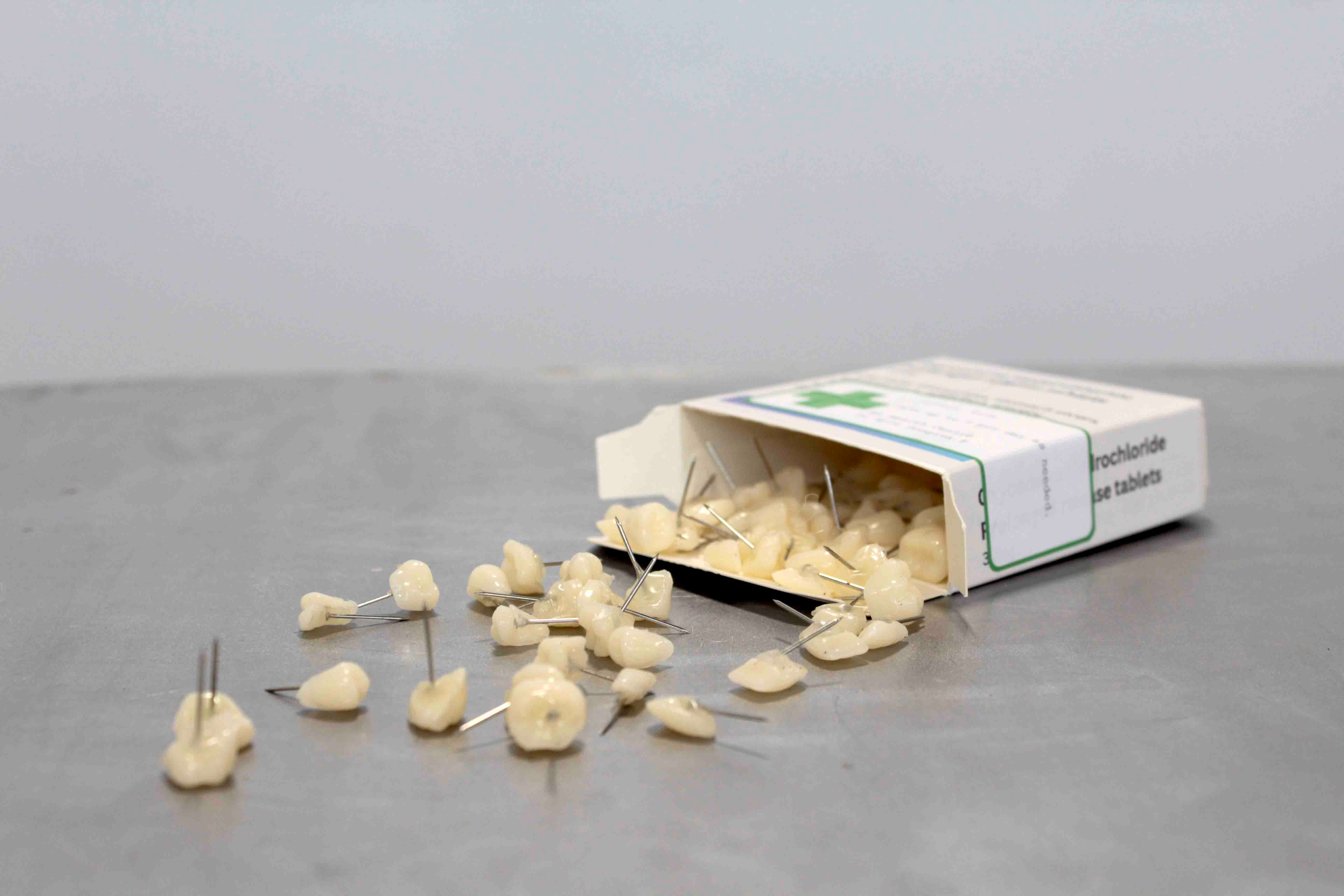
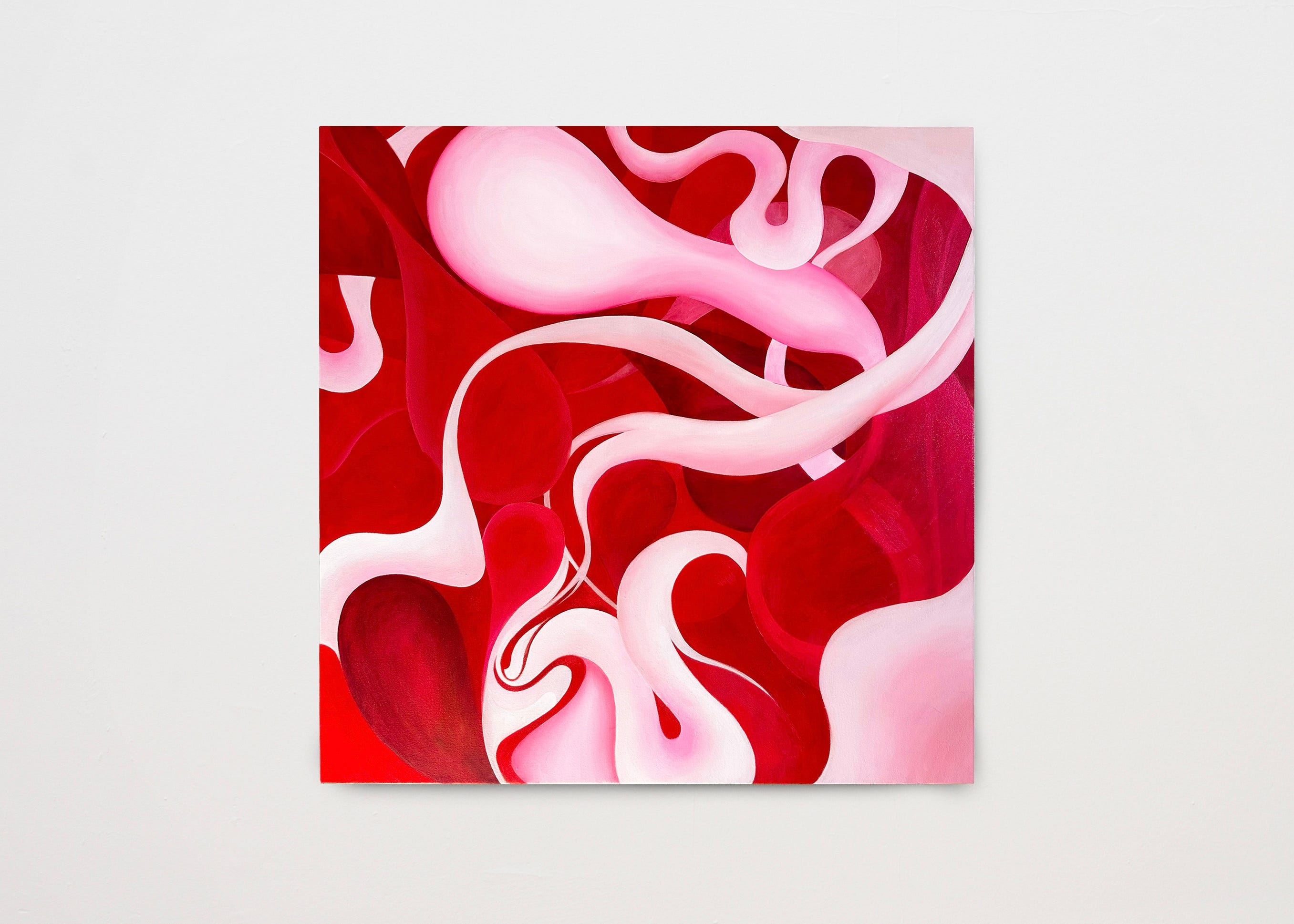
Right now, I am working on a series of paintings which explore a more expressive and emotional side to my relationship with my own body. My research has been grounded in the concept of ‘The Body Keeps the Score’, first discussed by Bessel Van Der Kolk in 1994. It is the idea that trauma manifests in the body, and my work is an emotional release of that trauma using abstracted and clinical imagery of the body as a visual language. It is a new area of my practice that I have been reluctant to explore, because it is so personal. I am in the more uncomfortable stages of this process, and I am working to overcome some of the blocks that go alongside being more vulnerable in my work. Although it has been uncomfortable, it also feels that my practice is in a pivotal time, it feels very important right now, and I am trying to hold on to that feeling more than any other.
When you feel stuck how do you get un-stuck?
I like to do a deep dive into the root cause of the stuck-ness. I do this through journaling, asking myself questions like “what is the intention behind this work or research?” and “Is it serving that intention?”. I then journal further on the problems within the work or my process and problem solve through those questions. If the stuck-ness is due to an existential crisis about the state of the world and the point of making art, which happens more than you would think, then I remind myself of the value of what I do. I visit a gallery and find one piece of art that speaks to me. I sit in front of that piece for 30 minutes and then I write about how it made me feel, why I resonated with it and how it has influenced me. This usually gets the creative juices flowing and I am eager to return to the studio. It is also important to recognise when the stuck-ness is due to burn-out. Rest and space away from your studio is incredibly important in order to keep a clear head. Sometimes sitting with a cup of tea in front of some mind-numbing TV is what your brain actually needs.
Who do you recommend for the readers to check out?
I could recommend so many artists, books, podcasts but if I had to pick my favourites, Talk Art podcast is one that I always go back to. The artist interviews are a casual conversation about the work and their life and have an amazing way of brining the artist back into the real world. I think we have a tendency to idolise and think of our favourite artists as “other”, but this podcast highlights the issues that all artists struggle with and gives insight into how successful artists overcome those struggles. A book I always recommend is Wet: On Painting, Feminism, and Art Culture. It’s a must-read for any contemporary artist working with themes of gender identity and feminism. Another recommendation that I have to include is the BBC Arena 1979 documentary Six Days in September, which follows the artist John Hoyland in the creation of one painting over a six day period. This is a great watch if you feel stuck in your own practice, as you witness a successful artist go through the stages of creation, including all the self-doubt, insecurity, frustration and passion that goes with it.
What makes art “good” in your opinion?
I don't really believe in good and bad art. All art is inherently good in it’s nature because the act of making art is good. I think that there is only more truthful and less truthful art. It may be that the more truthful art is what people might recognise as good art because it is resonating with us more than the less truthful art. There are so many variables that can make art less truthful, like the context of the gallery, the writing that sits alongside the art, the way the art is hung and what is hung next to it, all things that the artists often has little control over. I think what we have to ask ourselves is whether we believe the artist was being as truthful as they possibly could, when they created the piece. As an artist, I am always seeking to find more truth in my work, my process and my research, and my more successful pieces are always those that broke through a boundary into a new truth.